Rachel Drummond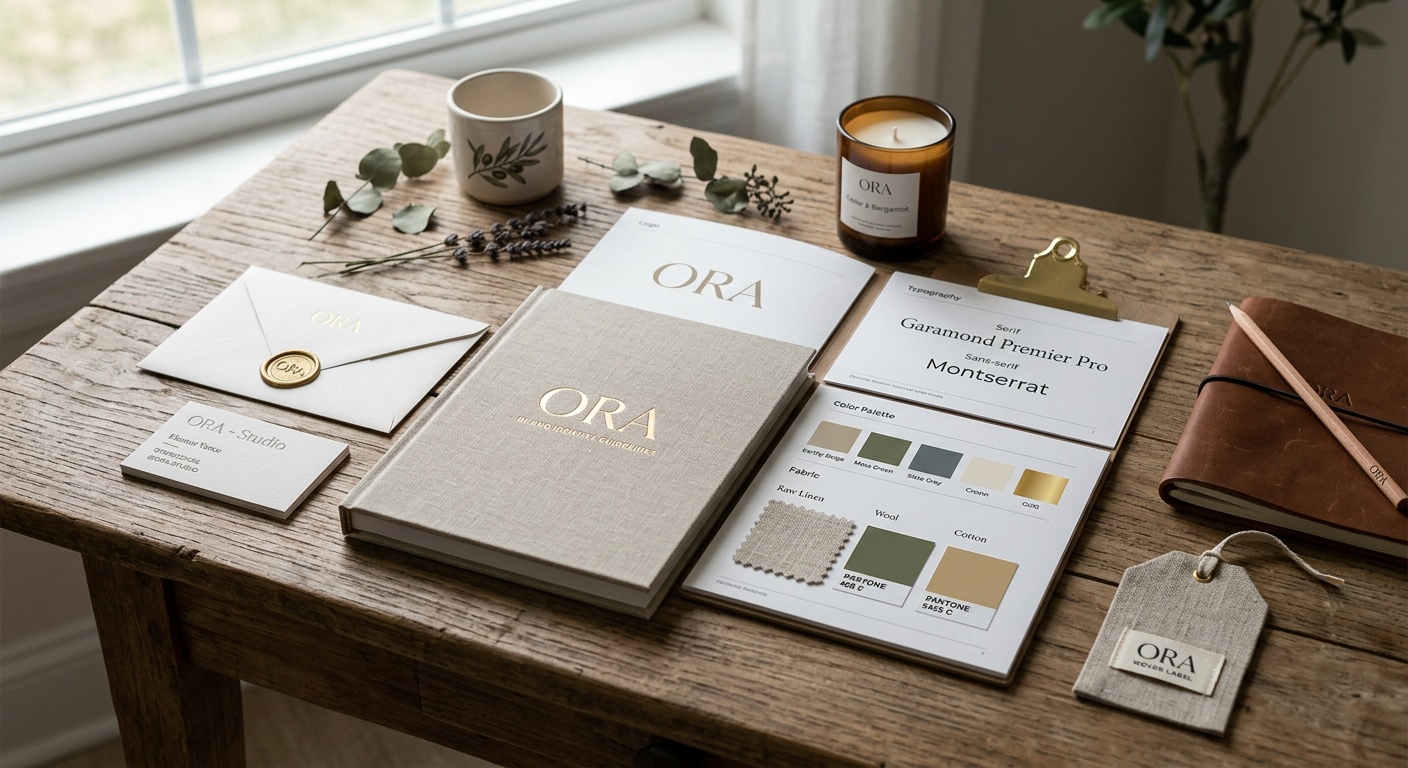
The Role of a Creative Studio in Building a Memorable Brand Identity
Reading time: 12 minutes
Ever scrolled past a brand and felt that instant, magnetic pull — that sense that you just get what they’re about before you’ve read a single word? That’s not an accident. That’s the work of a skilled creative studio operating at its best. In a marketplace that’s more crowded than ever, brand identity has become the single most powerful differentiator a company can invest in — and the organizations that understand this are pulling ahead fast.
In 2026, global spending on brand identity design and creative services has crossed $74 billion annually, up from $58 billion in 2023, according to research from the Brand Finance Global Index. That’s not a vanity metric — it’s a signal that businesses across every sector are waking up to a fundamental truth: how you look, sound, and feel is as important as what you sell.
Whether you’re a founder launching your first product, a marketing director overhauling an outdated visual system, or a CEO wondering why your brand isn’t resonating, this guide will show you exactly what a creative studio does, why it matters, and how to leverage that partnership to build something people remember.
Table of Contents
- What Is a Creative Studio, Really?
- The Anatomy of a Memorable Brand Identity
- Creative Studio vs. Traditional Agency: What’s the Difference?
- How a Creative Studio Builds Your Brand Identity
- Real-World Case Studies: Studios That Changed the Game
- Common Brand Identity Challenges (And How Studios Solve Them)
- How to Choose the Right Creative Studio for Your Brand
- Brand Investment Impact: Visual Breakdown
- Frequently Asked Questions
- Your Brand Identity Roadmap: Where to Go From Here
What Is a Creative Studio, Really?
Let’s clear up a common misconception right away: a creative studio is not just a group of designers who make things look pretty. A modern creative studio is a strategic partner — one that sits at the intersection of business thinking, cultural insight, and visual craft. They translate your company’s values, voice, and vision into a coherent, compelling system that works across every touchpoint a customer encounters.
Think of them as architects of perception. Just as a building architect considers how light moves through a space or how people will feel walking down a corridor, a creative studio considers how your audience will feel encountering your brand on a billboard, a mobile app, a packaging label, or a social media story.
The Core Functions of a Creative Studio
Modern creative studios typically offer a layered suite of services that go well beyond logo design. Here’s what a full-service creative studio actually does:
- Brand strategy development — defining your positioning, audience, and competitive differentiation
- Visual identity systems — logos, color palettes, typography, iconography, and grid systems
- Brand voice and messaging — tone of voice guidelines, tagline creation, and copywriting frameworks
- Motion and digital design — animated brand assets, UI/UX alignment, and digital-first experiences
- Environmental and experiential design — retail spaces, events, and physical brand environments
- Brand governance — creating guidelines that ensure consistency across internal teams and external partners
What separates an elite creative studio from a freelance designer or a generic agency is the depth of strategic thinking embedded in every creative decision. Every color chosen, every typeface selected, every word in your tagline has a reason behind it — and that reason connects back to your business goals.
The Anatomy of a Memorable Brand Identity
Here’s the straight talk: a brand identity is not your logo. Your logo is a component of your identity — an important one, but just one piece of a much larger system. When a creative studio builds a brand identity, they’re constructing an entire ecosystem of interconnected elements that work together to create a unified experience.
The Five Pillars Every Creative Studio Works With
1. Brand Positioning & Strategy
Before a single pixel is placed, the best studios spend time understanding where your brand sits in the market. Who are your competitors? What gap do you occupy? What do your customers truly care about? This strategic foundation shapes every creative decision that follows.
2. Visual Identity System
This is the visual language of your brand — the logo, color system, typography hierarchy, photography style, illustration approach, and layout principles. When designed cohesively, this system communicates your brand’s personality instantly and consistently, whether it appears on a smartphone screen or a storefront window.
3. Brand Voice & Tone
How your brand speaks is just as powerful as how it looks. A creative studio will develop voice guidelines that define how your brand communicates — whether it’s authoritative and precise, warm and conversational, bold and irreverent, or something entirely unique. This extends to naming conventions, headline styles, and even the way customer service emails are written.
4. Motion & Digital Presence
In 2026, static brand identities are no longer sufficient. Creative studios now build motion design systems — defining how logos animate, how transitions feel, and how brand elements behave in digital environments. Research from the Motion Design Alliance found that brands with cohesive motion identities report 34% higher recall among digital audiences compared to static-only brands.
5. Brand Experience Architecture
The final pillar connects all the above to actual human experience. How does your brand feel in a retail environment? What does the unboxing experience communicate? How does your website’s interaction design reinforce your brand personality? This is where creative studios distinguish great brands from merely competent ones.
Creative Studio vs. Traditional Agency: What’s the Difference?
| Dimension | Creative Studio | Traditional Agency |
|---|---|---|
| Primary Focus | Brand identity, design systems, strategy | Advertising campaigns, media buying, reach |
| Team Structure | Smaller, specialized, highly collaborative | Larger, departmentalized, hierarchical |
| Output Type | Lasting brand assets and systems | Campaign-based, time-limited deliverables |
| Engagement Model | Project-based or long-term retainer | Annual contracts, campaign cycles |
| Best For | Brand building, rebrands, identity systems | Demand generation, product launches, media |
The distinction matters because hiring the wrong type of partner for your needs is one of the most common (and costly) mistakes brands make. If you need a new ad campaign, a traditional agency excels. If you need to build the foundational identity that all future campaigns will express — that’s a creative studio’s domain.
How a Creative Studio Builds Your Brand Identity
One of the most common questions clients ask is: “What does the process actually look like?” While every studio has its own methodology, the most effective ones follow a structured sequence that balances discovery, strategy, and execution.
Phase 1: Discovery and Brand Audit
Before creating anything new, a skilled studio examines what already exists. They conduct stakeholder interviews, competitive audits, audience research, and cultural analysis. This phase answers the critical question: Where are you now, and where do you need to go? A thorough discovery phase typically takes two to four weeks and involves deep conversations with founders, customers, and sometimes even employees who interact with the brand daily.
Pro Tip: The quality of your discovery phase directly determines the quality of your brand identity outcome. Studios that skip directly to design without proper research are cutting corners — and you’ll feel it in the final result.
Phase 2: Brand Strategy Definition
With research in hand, the studio develops your brand strategy — a written document that articulates your brand’s purpose, positioning, personality, and promise. This becomes the north star for all creative decisions. Think of it as the architectural brief before blueprints are drawn.
Key deliverables at this stage typically include:
- Brand positioning statement
- Audience personas and insight maps
- Brand personality attributes and value pillars
- Competitive differentiation analysis
- Verbal identity framework (voice, tone, messaging hierarchy)
Phase 3: Visual Identity Development
Now the design begins — but not in a vacuum. Every visual decision is anchored to the strategy developed in Phase 2. Studios typically present two to three distinct creative directions, each representing a different strategic interpretation of the brand. These aren’t just logo concepts; they’re complete visual worlds showing how each direction would feel across real applications.
After client feedback and refinement, the chosen direction is developed into a full identity system: primary and secondary logos, color palette, typography system, iconography, photography style, pattern systems, and digital-specific assets.
Phase 4: Brand Guidelines and Governance
The final phase is often underestimated — but it’s where the investment truly pays off over time. A creative studio delivers comprehensive brand guidelines: a living document (increasingly delivered as an interactive digital platform in 2026) that governs how the identity is applied across every context. Without strong governance, even the most beautiful brand identity deteriorates into inconsistency within months.
Real-World Case Studies: Studios That Changed the Game
Case Study 1: Revolut’s Visual Identity Evolution
When Revolut partnered with a leading creative studio to overhaul its brand identity in 2024-2025, the challenge was specific: the fintech giant had grown rapidly into dozens of markets, but its visual identity had become fragmented and inconsistent. The studio’s work produced a disciplined, modular design system that could flex across 35+ markets while maintaining unmistakable brand coherence. Post-rebrand, Revolut reported a 22% increase in brand recognition scores across European markets and a measurable improvement in customer trust metrics. The key? The studio didn’t just redesign the logo — they rebuilt the entire visual infrastructure.
Case Study 2: A Regional Food Brand Goes National
Consider the story of Maplewood Provisions, a regional artisan food company based in Vermont that partnered with a boutique creative studio in 2025 to transition from regional farmers markets to national retail distribution. The studio’s work went far beyond packaging design. They defined the brand’s entire story — the founders’ heritage, the sourcing philosophy, the relationship between craft and community — and translated it into a visual and verbal language that resonated with national grocery buyers and consumers alike.
The result? Maplewood Provisions secured placement in over 1,200 retail locations within 18 months of the rebrand, with the studio’s creative director noting that “the packaging alone was doing the work of a sales team.” This is the compounding power of brand identity done right: it works for you continuously, at every touchpoint, without additional spend.
Common Brand Identity Challenges (And How Studios Solve Them)
Let’s address the real obstacles brands face — because understanding the challenges is half the battle.
Challenge 1: “We’ve outgrown our brand, but we’re afraid to change it.”
This is the evolution dilemma. Many brands reach a point where their identity no longer reflects who they are — but fear of alienating existing customers keeps them stuck. A skilled creative studio navigates this by conducting what’s called a “brand equity audit” — identifying which existing elements carry genuine emotional value with your audience versus which are simply familiar. The goal is evolution, not revolution: retaining the equity while modernizing the expression.
Challenge 2: “We have multiple sub-brands and nothing feels cohesive.”
Brand architecture complexity is one of the most common challenges growing companies face. As businesses expand — through acquisitions, product line extensions, or geographic growth — their brand portfolio can become a confusing patchwork. Creative studios solve this through disciplined architecture thinking: defining whether you need a monolithic brand, an endorsed architecture, or a portfolio of independent brands, and then designing a system that makes the relationships clear and the master brand powerful.
Challenge 3: “Our team isn’t implementing the brand consistently.”
Brand consistency is a cultural challenge as much as a design one. Studios increasingly address this by delivering not just guidelines but training materials, template libraries, and digital brand management platforms that make it easy for internal teams to apply the identity correctly — even without a design background. In 2026, tools like brand management platforms (Frontify, Bynder, and emerging AI-assisted systems) have become standard deliverables in creative studio engagements.
How to Choose the Right Creative Studio for Your Brand
Not every studio is right for every brand. Here’s a practical framework for making the right choice:
- Review their strategic depth, not just their portfolio aesthetics. Beautiful work is necessary but not sufficient. Ask how they approach brand strategy. Can they articulate why they made specific creative decisions?
- Look for relevant industry experience — but don’t require it. A studio that has worked in your sector understands your landscape. But studios that work across industries often bring the freshest, most differentiated thinking.
- Assess their process transparency. The best studios can walk you through their methodology clearly and confidently. Vagueness about process is a red flag.
- Check references — specifically about the working relationship. Ask past clients not just if they liked the outcome, but whether the studio listened, challenged them productively, and handled revisions with professionalism.
- Evaluate cultural fit. You’ll be sharing sensitive business information and working through subjective creative decisions together. The relationship needs genuine trust and mutual respect to produce great work.
Quick Scenario: Imagine you’re a B2B SaaS company that’s been operating for five years with a logo designed by a developer’s cousin in a weekend. You’re preparing for a Series B raise and entering enterprise sales conversations. Investors and procurement teams are going to scrutinize your brand as a signal of your maturity and credibility. This is exactly the moment when a creative studio investment has direct, measurable financial return — and choosing the wrong partner could mean a brand that still doesn’t match your ambitions.
Brand Investment Impact: How Creative Decisions Drive Business Outcomes
The following visualization compares the percentage of business leaders who reported measurable business improvement after structured brand identity investments, by category (Source: Brand Value Report, 2025):
Reported Business Impact After Brand Identity Investment (% of respondents)
82%
67%
74%
79%
58%
These numbers tell a compelling story: brand identity is not a soft investment. It has hard, measurable impact across business dimensions that boards, investors, and sales leaders care about deeply.
Frequently Asked Questions
How much does it cost to work with a creative studio on brand identity?
Brand identity projects vary enormously based on scope, studio reputation, and business complexity. In 2026, boutique creative studio projects for early-stage startups typically range from $15,000 to $60,000 for a comprehensive identity system. Mid-market rebrands with established studios generally fall between $80,000 and $250,000. Enterprise-level brand transformations with top-tier studios can exceed $500,000. The critical framing: this is not an expense — it’s a foundational infrastructure investment that pays dividends across every piece of marketing, sales, and communication you produce for years to come. A poorly built brand identity will cost you far more in lost opportunities, inconsistent execution, and eventual redo costs.
How long does a brand identity project typically take?
A thorough brand identity process — from initial discovery through final brand guidelines delivery — typically takes between 10 and 24 weeks for most engagements. Rushed timelines are one of the leading causes of unsatisfactory brand identity outcomes. Discovery and strategy phases should never be compressed significantly, as these form the foundation for all creative work. Studios that promise complete brand identities in two or three weeks are either skipping critical thinking phases or delivering surface-level work. That said, experienced studios can create focused fast-track processes for specific components when genuine urgency exists.
When should a business rebrand versus refresh its existing identity?
This is one of the most important strategic questions a brand can face — and the answer depends on your specific situation. A brand refresh (updating visual elements while retaining core equity) is appropriate when your brand has genuine recognition and loyalty but needs modernization. A full rebrand is warranted when your business has fundamentally changed its market, audience, or purpose; when your existing identity has significant negative associations to overcome; or when you’re entering a new competitive context where your current identity is a liability. A skilled creative studio will help you make this determination honestly — even if it means recommending a less extensive (and less lucrative for them) engagement.
Your Brand Identity Roadmap: Where to Go From Here
Building a memorable brand identity is not a single project — it’s an ongoing commitment to how your business presents itself to the world. Creative studios are the architects and allies who can make that commitment strategic, beautiful, and consistent. Here’s how to move forward with clarity:
- Step 1: Conduct an honest internal audit. Before approaching any studio, assess your current brand honestly. What’s working? What feels off? Where do you see inconsistency? Document specific examples — screenshots, photos, customer feedback — that illustrate the gap between where your brand is and where it needs to be.
- Step 2: Define your objectives and timeline clearly. Are you preparing for a fundraise? Entering a new market? Launching a product line? Your business context shapes the brief you bring to a studio and helps them scope the right engagement.
- Step 3: Research and shortlist three to five studios. Look for studios whose portfolio demonstrates strategic depth and aesthetic range. Review case studies, not just finished work. Request introductory calls to assess chemistry and process alignment.
- Step 4: Invest in the discovery process fully. When you engage a studio, participate actively in discovery. Your insights about your customers, your culture, and your aspirations are the raw material that makes great brand work possible. The more honest and specific you are, the stronger the outcome.
- Step 5: Plan for implementation and governance from day one. Build internal champions who will steward the brand identity after launch. Invest in templates, training, and tools that make consistent application achievable across your team.
In an era where attention is the scarcest resource and consumers make judgment calls in milliseconds, the brands that win are those that have done the foundational work — that have invested in understanding who they are, what they stand for, and how to express it with unmistakable clarity. Creative studios are the partners that make that foundation possible.
As AI-generated content floods every channel and sameness threatens to homogenize entire industries, authentic, strategically crafted brand identities will only become more valuable — not less. The brands that invest now are building a moat that compounds over time.
So here’s the question worth sitting with: If a potential customer encountered your brand for the first time today — with no prior knowledge, no referral, no context — what would they feel, think, and believe about your business? If the honest answer doesn’t match your ambitions, it’s time to find the right creative studio and start building something worth remembering.